The First Metre: A Winter Grit Plan for Mats, Footwells and Garage Floors
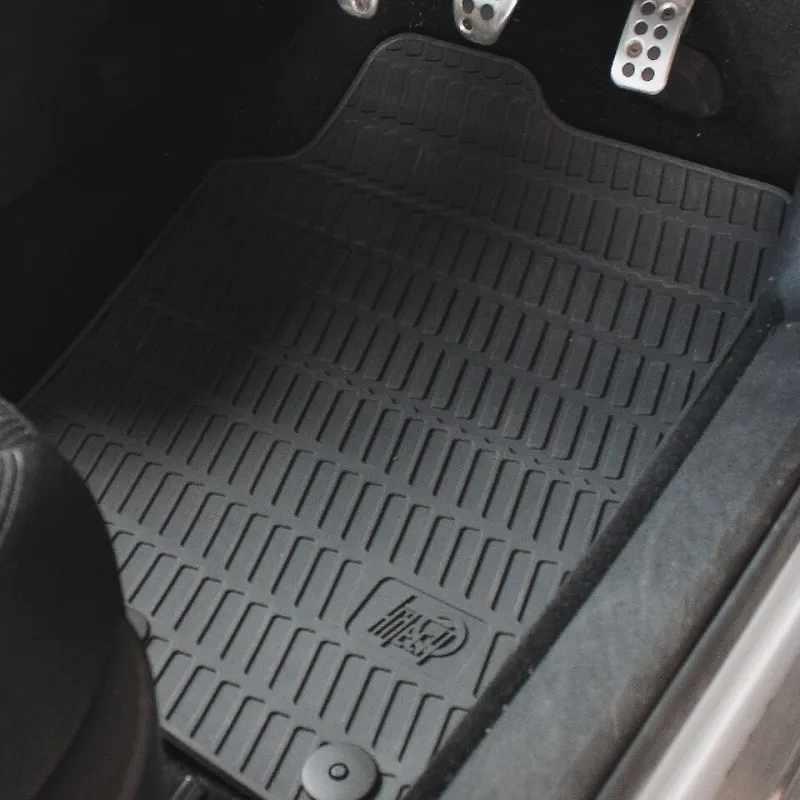
Photo: Keystones, CC BY-SA 3.0, via Wikimedia Commons
Most winter car care starts at the paintwork. That is understandable: road salt looks dramatic against a dark bumper, and nobody wants a chalky white stripe down the side of the car. But the grit that actually causes trouble often arrives earlier and lower down. It comes in on your shoes, settles into the mat, gets pressed into the carpet, and then waits for a bit of moisture to turn it into a salty, abrasive paste.
By the time that paste reaches the sill, the seat rails or the garage floor, the job has grown. The good news is that the first metre of the problem is also the easiest place to deal with it. A few minutes at the mats each week will do more for your car’s interior and your garage floor than an occasional deep clean ever will.
Why the first metre matters more than the rest
A car’s floor mats are a collection point. They catch grit from the road, salt from treated streets, mud from the school run and whatever the dog brings back from the park. That is exactly what they are for. The trouble starts when they are treated as permanent fixtures rather than removable traps.
Once grit is ground into a carpet mat, it behaves like sandpaper. Every time you slide your feet in and out, it wears at the fibres and works its way deeper. Add damp from wet shoes and you have the conditions for a musty smell, misted windows and, eventually, surface rust on seat mounts or small brackets that were never meant to live in a brine bath.
Rubber mats are not a complete answer, either. They hold the mess beautifully, which is useful until you tip them back onto the driveway and send a little salty soup towards the garage door. The routine matters as much as the material.
Rubber or carpet for a British November
For the worst of the winter, rubber or deep-tray mats are usually the sensible choice. They wipe clean, they do not hold moisture in the same way as carpet, and they can be rinsed without a full drying operation. If your car has carpet mats, consider storing them for the coldest months and fitting a set of rubber ones for daily duty.
That said, rubber is not magic. A tray mat full of gritty water will simply spill it over the sides when you lift it out. Take it out carefully, keep it flat, and tip the contents somewhere that is not your garage floor or a planted border. A bucket or a drain-friendly patch of driveway is better.
Carpet mats still have a place in spring and summer, and some drivers prefer them year-round. If that is you, give them a proper vacuum and a dry out more often in winter. Do not leave them in the car to dry with the windows shut. That is how you create a small, salty greenhouse.
The weekly shake, rinse and dry
Pick a regular moment, perhaps after the weekly shop or before you put the car away on a Sunday. It does not need to be a full valet. Start by removing the mats from both footwells and the boot. Give each one a firm shake outside, away from the car and the garage entrance. You will be surprised how much grit comes out of a mat that looked merely dusty.
For rubber mats, a quick rinse with a hose or a bucket of warm water is enough. Avoid blasting the edges with a pressure washer at close range, as it can distort older mats. A soft brush helps with the ridges. Shake off the excess water and dry the mats flat, not folded. If you can, stand them on a rack or lean them against a wall with an air gap behind them.
For carpet mats, vacuum first, then spot-clean any salty tide marks with a cloth and a little mild detergent. Do not soak them. Rinse with a damp cloth, press out excess water with a towel, and dry them thoroughly before refitting. A dry mat is a quiet mat; a damp one will fog the windows and make the car smell like a wet dog that has been to the seaside.
Drying mats without trapping damp
The classic mistake is to put mats back while they are still damp because you need the car. If that is unavoidable, dry them as much as possible first and leave the windows cracked open on the next dry drive. Do not stack them in a cold garage corner for a week and assume they will sort themselves out. Cold, still air is not a drying strategy.
A simple drying setup helps: a couple of hooks on a garage wall, or a cheap plastic rack that lets air move underneath. Keep the mats out of direct foot traffic and away from oily workshop corners. If your garage is damp, bring the mats indoors for a few hours instead. It sounds odd, but a warm hallway will dry a mat faster than a cold garage ever will.
Driveway habits that stop grit travelling
Mats do most of the work, but the driveway can help or hinder. If you park outside, give the pedals and footwell a quick brush before you get in after a muddy walk. Keep a stiff brush by the garage door and use it on boots before they cross the threshold. It takes seconds and keeps the worst of the grit where it belongs.
If you have a garage, think about the first metre inside the door. A cheap washable mat or a strip of rubber matting just inside the entrance will catch what your shoes bring in. Shake it out weekly and rinse it when it looks grim. It is far easier to clean than a stained concrete floor or a patch of rust blooming on a shelf leg.
Also, do not park wet, salty mats on the garage floor to dry. That is how you transfer the problem from the car to the concrete. Hang them, lean them, or dry them outdoors on a dry day. The garage floor should be a working surface, not a salt pan.
When grit becomes rust and stained concrete
Road salt is not just a cosmetic nuisance. Left sitting against metal, it encourages corrosion, and that includes the small metal parts inside the car as well as the bodywork underneath. Stained concrete is harder to reverse than a dirty mat. Once salt and muddy water have soaked into a porous garage floor, you will see the marks long after the car has been cleaned.
This is why the routine is worth keeping short and repeatable. A five-minute shake-out and rinse each week is easier to sustain than a big cleaning day that never quite happens. The aim is not a showroom interior. It is to stop winter grit from settling in, drying out, and becoming something that costs money later.
Winter will still send salt, slush and mud your way. That is a British November for you. But the first metre is yours to control. Keep the mats working as traps, dry them properly, and give the garage floor half a chance. Your car, your carpets and your concrete will all be better for it.