Before the Door Comes Down: A 30-Minute Annual Garage Door Safety Routine

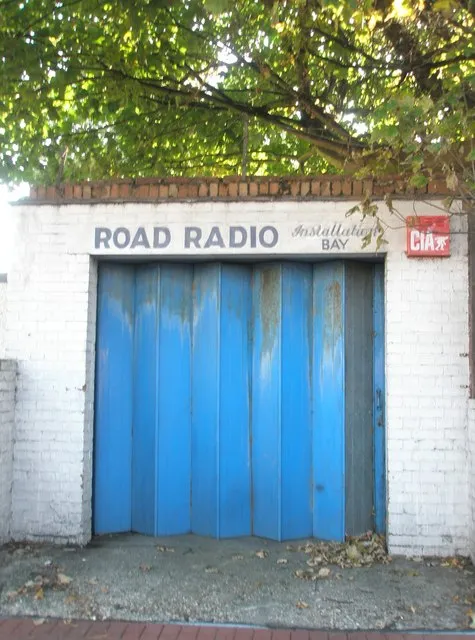
Photo: John Goldsmith, CC BY-SA 2.0, via Wikimedia Commons
Most of us treat the garage door like a wall with a handle. It goes up, it comes down, and as long as it does that, we don't think about it. Then one damp morning the opener groans, the door lurches sideways, and suddenly the car is stuck inside and the school run is happening on foot.
A garage door doesn't need a full service every month. But an annual 30-minute check—think of it as a garage door MOT, minus the legal paperwork—will catch most of the small faults before they become expensive ones. It is also a sensible safety habit in a UK garage, where damp, grit and constant use quietly wear down springs, cables and seals.
Why bother with a garage door MOT?
A typical up-and-over or sectional door is a heavy lump of steel or timber held under tension. It is also the largest opening in your house. If it fails, it can fail in awkward ways: a frayed cable can jam the door half-open, a tired spring can make the opener work far too hard, and a worn lock can turn a secure garage into an easy target.
The annual check is not about stripping the door down. It is about looking, listening and testing the bits you can safely reach. Half an hour with a torch and a can of silicone spray is enough for most UK driveways.
The 30-minute routine
1. Start with a slow look from outside
With the door closed, stand back and look at the panels, hinges, springs and cables. You are looking for rust spots, cracks, missing screws and anything hanging loose. On up-and-over doors, check the spring assembly at the top. On roller doors, look at the guides down each side. Do not poke at cables or springs—just look.
2. Clear the tracks and test by hand
If you have a manual door, open and close it slowly by hand. It should move smoothly, without grinding, jerking or needing a shoulder against it. Sweep leaves and grit out of the floor channels. On electric doors, use the manual release only when the door is closed and follow the maker's instructions—more on that below.
3. Check the balance from a safe distance
A balanced door should stay roughly where you leave it when opened halfway. If it slams down or feels incredibly heavy, the springs are suspect. Do not try to adjust them yourself. Springs store a serious amount of energy and are one of the few garage jobs where a specialist is not being over-cautious.
4. Lubricate the right parts
A little silicone or PTFE spray on hinges, rollers and pivot points keeps things quiet. Wipe the tracks clean, but avoid slathering them in grease—it attracts grit and turns into a grinding paste. Check the door manufacturer's advice before spraying anything near springs or electrical parts.
5. Look at the weather seals
The rubber strip along the bottom of the door and the seals down the sides are what keep driven rain and leaves out. If they are cracked, flattened or missing chunks, replace them. A good seal also stops the door rattling in the wind and helps keep the garage drier, which is good news for tools and car bodywork.
6. Test the lock and security
Make sure the handle turns, the lock engages and the keys are where you expect them to be. On up-and-over doors, check the locking bars or latches. If the door has gaps at the corners, cold air and rain will find them. A garage door is an entry point, so don't leave expensive tools on show through the windows.
7. Electric doors: sensors and reverse test
If your door has safety sensors near the floor, wipe the lenses and check they are lined up. With the door closing, pass a solid object through the beam—or use the maker's recommended test—and confirm the door reverses or stops. If it doesn't, stop using the automatic setting and get it looked at. A door that closes on a child, a pet or a car is not a minor fault.
8. Know the manual release
Every electric door should have a manual release. Find it before you need it, and show everyone in the house. On many doors, the safest time to use it is with the door closed, but check your own instructions. Never yank a release while the door is halfway up if you are unsure—the door may drop. If the car is trapped and the door is jammed, don't force it. Call a garage door specialist.
9. Listen for the finish
Open and close the door once more. A healthy door is boring: no clunks, no squeals, no visible wobble. Note anything new and deal with it before winter properly sets in.
The printable checklist
Print this and tack it to the garage wall. Tick the boxes once a year, or whenever the door starts behaving oddly.
- Panels free of rust, cracks and loose fixings
- Springs look intact—no gaps, rust or obvious damage
- Cables straight, not frayed or off their pulleys
- Rollers secure and turning freely
- Tracks straight, clear and firmly fixed
- Door opens and closes smoothly by hand
- Door stays put when opened halfway
- Hinges and rollers lubricated with silicone or PTFE
- Bottom and side seals intact and flexible
- Lock, handle and keys all working
- Safety sensors clean, aligned and reverse test passed
- Manual release located and explained to the household
- No new noises, jerks or gaps
Jobs that always go to a specialist
Some garage door repairs are not driveway DIY. Leave these alone: replacing or adjusting springs, replacing cables, realigning a bent track, adjusting the opener's force settings, and replacing damaged panels on a tensioned door. If a spring has snapped, a cable is frayed, or the door is hanging unevenly, stop using it. Don't prop it open with a broom and don't ask a neighbour to hold it while you reverse the car out. That is how people get hurt.
Spotting wear before the door fails
A garage door usually gives you warnings. The opener starts straining. The door pauses halfway. One side lifts before the other. The remote needs to be closer than it used to. There is a new scrape mark on the track, or a cable has a kink in it. Any of these is a prompt to book a proper look.
If the door is stuck down with the car inside, stay calm. Check the manual release instructions, move anything valuable out of the door's path, and only release it if you are confident it won't drop. Otherwise, call a specialist and plan around the car being stuck for a day. Annoying, yes—but cheaper than a damaged car or a trip to A&E.
Treat the door like part of the car's support system, not just a shutter. A few minutes each year keeps the weather out, the car in, and the whole setup pleasantly uneventful.