The Quiet Expiry Date: What Keeps and What Perishes on a Cold Garage Shelf
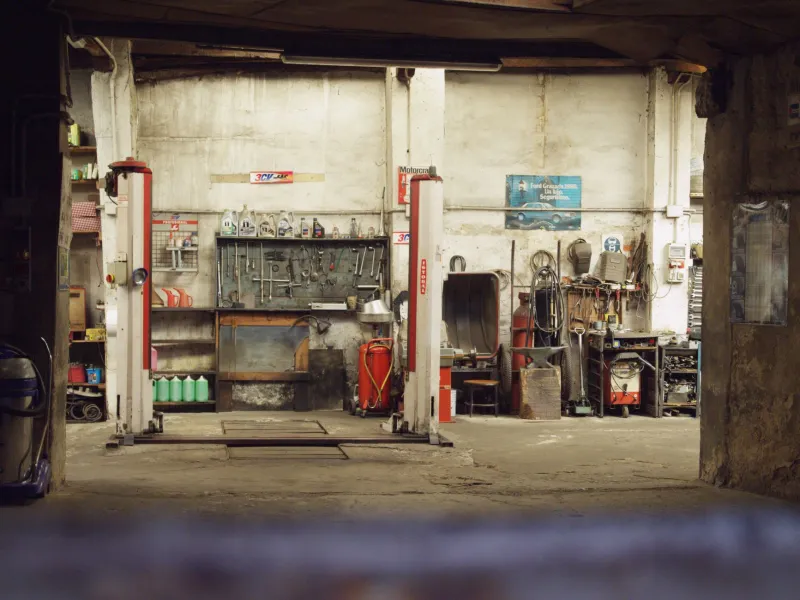
Every garage shelf in Britain tells the same story. A half-used bottle of brake fluid, a set of pads bought in a sale, three aerosols of something, a belt for a car you sold in 2023. The assumption is always that spares keep — that a box is a box and a sealed bottle is a sealed bottle.
Mostly that's true. Sometimes it isn't, and the moment you find out is usually the moment you're already up to your elbows in a job.
Why a UK garage is a hostile place to store anything
A garage in this country lives through dozens of freeze-thaw cycles a year without ever being warm enough to dry out properly. Condensation forms on cold metal overnight, sits there, and repeats. Add a bit of damp creeping through a single-skin wall or up through an unsealed floor and you've got an environment that quietly attacks paper, steel and rubber all winter.
The items that suffer most are the ones that don't complain. Nobody notices a brake pad backing plate going orange until the pad is in their hand.
Things that genuinely go off
Brake fluid
The classic. DOT 4 is hygroscopic, meaning it pulls moisture out of the air through the plastic bottle. A sealed, unopened container is generally good for around two years. Once you've broken the seal, treat it as a one-job item — use what you need and get rid of the rest rather than shelving it for next year. If you're not sure, a cheap electronic fluid tester takes seconds and tells you the moisture content.
Aerosols and paints
Rattle cans don't like frost. The propellant and the pigment can separate, and a can that has frozen hard may never spray properly again. Keep aerosols and touch-up paints somewhere that stays above about 5°C — a utility room, a cupboard under the stairs, anywhere but the coldest corner of the garage. Two to three years is a reasonable life for a can that's been kept warm.
Rubber goods
Belts, coolant hoses, wiper blades and bushes all age on the shelf. Ozone, UV light and temperature cycling harden the rubber and cause cracking, and an unused belt that's six years old is no safer than one that's been on the engine. Store them in a dark bag, not on a sunny window ledge or hanging on a nail.
Adhesives and sealants
RTV silicone in a part-used tube skins over and sets. Superglue goes solid the moment the cap is off for good. Both are cheap enough that treating them as single-use items makes more sense than trying to revive them.
Tyres
Tyres have a manufacturing date on the sidewall — the last four digits of the DOT code, week and year. Around six years is the usual guidance before rubber compounds start to harden noticeably, even with full tread. If you're storing a spare set, keep them out of sunlight and off damp concrete.
Things that keep for years
Brake pads and discs
The friction material itself is tough. What suffers is the steel — backing plates rust, and bare discs pit in damp air. Keep them boxed, keep them dry, and give bare discs a wipe of light oil if they're going to sit for months (clean it off properly before fitting).
Filters
Paper air and oil filters will last years if they stay sealed. The enemy is moisture and mould, so leave them in their plastic wrap and don't store them on a shelf that gets condensation dripping on it.
Sealed engine oil
Unopened oil has a shelf life of roughly five years according to most manufacturers. Opened bottles are best used within about a year, and even then it's worth checking for contamination before pouring. Coolant concentrate, screenwash concentrate and distilled water all keep well.
Hard parts
Spark plugs, bulbs, fuses, bearings still in their packaging, nuts and bolts in sealed bags — none of these care about the cold. Just keep them somewhere they won't get knocked into a puddle.
Label it or lose it
A permanent marker and a roll of painter's tape solve most of this. Write the date you bought it on the box, and the date you opened it on the bottle. It sounds fussy until you're trying to remember whether that brake fluid came from this year or the last one.
For fluids, a strip of tape down the bottle with "opened 04/26" on it takes four seconds and answers the question permanently.
Storage that works in a British garage
- Get things off the floor. Even a sealed tub picks up condensation from a cold slab. A cheap plastic shelving unit or a wall-mounted rack is enough.
- Separate wet from dry. One shelf for liquids, another for pads, filters and anything paper-based, with a lidded crate between them.
- Use lidded crates and a couple of silica gel sachets. Not a cure for a leaking roof, but it makes a real difference inside a sealed box.
- Keep aerosols and paints indoors. This is the single change that saves the most money.
- Store oils and fluids upright and closed, and never on a shelf above anything electrical.
A five-minute audit each autumn
Before the cold really sets in, pull everything off the shelf and look at it. Bin the swollen bottles, the rusted discs, the perished belt, the can that rattles wrong. Check the codes on tyres. Look at anything with a rubber component and bend it — if it cracks, it's done.
Old fluids and aerosols go to the local household waste recycling centre, not the bin. Most councils in the UK take engine oil, brake fluid and coolant at their sites, and it costs nothing to do it properly.
It's a small job, and it means the next driveway repair starts with parts that are actually going to work — which, in a cold garage in February, is most of the battle won.