Give Yourself an Inch: Setting Up a Tight Garage Bay for Clean, Bump-Free Parking

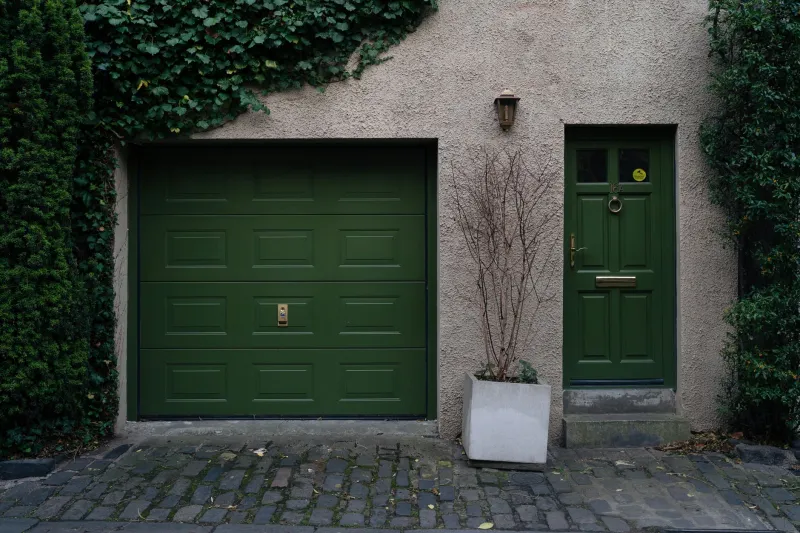
Photo by Photo by Dan Stephens on Unsplash on Unsplash
Most British garages were not designed for the cars we actually drive. They were squeezed into plots beside houses, built around smaller models, and then asked to store bikes, bins, paint, camping gear and a chest freezer. By the time a modern hatchback or estate turns up, the margin for error is often a few centimetres on each side. That is why so many drivers end up parking by feel: a gentle nudge off the shelf, a scrape along the wall, a wing mirror that folds itself the expensive way.
At Koti Autotalli, the aim is a home garage that works with you rather than against you. You do not need a cathedral-sized space to make parking predictable. You need honest measurements, a few floor markings, some protection where it matters and a test routine that proves the setup before you rely on it.
Why Your Garage Feels Smaller Than the Estate Agent Promised
A single garage may look generous from the pavement, but the usable width is rarely the headline figure. Shelves stick out. The door frame narrows the entrance. Bikes lean against the wall. The up-and-over door mechanism hangs down at the worst possible height. Add a set of door mirrors and the real bay can feel more like a slot than a room.
Modern cars have also grown wider without garages growing with them. Fold the mirrors and you may gain 15 to 20 cm, which sounds like a lot until you remember you still need room to open a door, step out and reach the shelves. If the car only fits with the driver climbing through the boot, the garage is not really working.
So start with a clear-eyed look. Is this a parking bay, a storage room with a car-shaped gap, or a bit of both? There is no shame in admitting that a garage is better used for storage. The shame is in pretending otherwise every morning at 7.40am.
Measure the Bay You Actually Have
Before you buy floor tape or foam padding, spend twenty minutes with a tape measure and a notepad. Measure the narrowest point of the entrance, not just the middle of the garage. Measure the available width at floor level between the wall and the deepest shelf. Measure the length from the closed door to the back wall. Then measure your car with the mirrors folded.
Write down the clearance on each side at the tightest point. If you have less than about 15 to 20 cm on each side, you are in careful-territory. That can still work, but it needs a repeatable system and a very tidy bay. If the car cannot pass the entrance without folding both mirrors and holding your breath, no amount of tennis balls will make it relaxing.
Also check height. Roof bars, bike racks and up-and-over door arms catch people out. A garage can be wide enough and still be a poor fit because the door mechanism hangs lower than expected.
Mark the Floor, Not Just the Wall
A calm parking bay is one you can read from the driver's seat. Use bright floor tape or a couple of long, thin strips of paint to mark the tyre path. Two lines for the left wheels and two for the right are usually enough. Do not mark the centre of the car; mark where the tyres should go.
If the garage is rented, use removable floor tape or rubber mats rather than paint. Sweep the floor first, let it dry and lay the tape slowly. A chalk line helps, but a helper with a steady hand and a cup of tea is just as useful.
Mark the stop point too. A strip of tape across the floor where the front wheels should end gives you a visual cue before the bumper gets close to the shelf. If you reverse in, mark the rear wheel position instead. Do not rely on the parking sensor alone, especially in a narrow garage where the walls can confuse it.
Protect the Bits That Keep Getting Hit
Protection is not an admission of failure; it is cheaper than paintwork. Fit foam pipe insulation or purpose-made foam strips to the sharp edges of shelves at bumper and mirror height. Add corner protectors to any exposed wall corners. If a shelf lip sits exactly where a door opens, move the shelf or fit a soft edge.
Look up as well. Bikes, ladders and boxes should be secured so they cannot slide into the bay. Keep heavy items low, and keep glass jars and paint tins off the edge of shelves. A garage should not require a hard hat.
A hanging tennis ball is still one of the best cheap aids going. Hang it from the ceiling so it touches the windscreen at the perfect stopping point. Adjust the string, test it slowly and then leave it alone. A wheel stop or a length of timber fixed to the floor can do a similar job for the front tyres, but make sure it is low enough to clear the bumper and high enough to feel through the tyre.
The Helper Test
Once the marks and stops are in place, do a proper test on a dry Saturday morning. Ask a helper to stand to the side, near the rear corner of the car, in clear view of the driver. They should never stand directly behind the car. Agree simple hand signals before you start: slow down, stop, straighten up.
Drive in at walking pace with the windows down. Use the floor lines, the hanging ball and the helper's signals together. Stop at the mark, apply the handbrake and only then open the door. Check the clearance on both sides. Repeat the whole manoeuvre three or four times, then swap roles if you like. The goal is not a perfect first attempt; it is a boring, repeatable one.
Finally, test the everyday bits. Can you get the shopping out? Can you reach the driver's door? Can a passenger get out without climbing over the handbrake? If the answer is no, the bay needs less stuff or a different plan.
When the Sensible Answer Is Less Stuff
Sometimes the kindest thing you can do for your car and your blood pressure is to declutter. Move the camping gear to a shed, put the bikes on a wall rack, take the unused paint to the tip and stop treating the garage floor as a holding bay for every unfinished project. A clear bay is safer than a padded obstacle course.
And if the measurements still say no, listen to them. A garage that cannot fit the car safely is a storage room. Park on the drive, keep the garage for tools and bikes, and stop scraping your mirrors on a Saturday morning. That is not defeat. That is good home motoring.